Problem: Digitizing quotes for the same design can differ by a lot, and it is hard to tell a fair price from a cheap file that will sew badly.
Solution: Judge any quote by size, detail, pricing style, and what is included — proof, formats, and revisions — not by the number alone.
Next step: Compare the quote against a clear flat-rate example, then send your artwork for a free quote before you commit.
The short answer
For a standard logo, left-chest, or cap design, most buyers pay a modest flat fee per design — not per garment. The file is yours to sew again and again, so the cost spreads across every item you run with it. A design sewn on five hundred shirts costs the same to digitize as a design sewn on five. That is the first thing to hold on to when a price feels high or low: you are buying the plan once, and the plan is what decides whether every one of those garments comes out clean or comes back as a return.
As one clear example of flat pricing, here are this studio's published prices. A logo, left-chest, or cap design up to 4.5 inches costs $13. A medium design up to 8 inches costs $23. A jacket back up to 12 inches costs $37. Add-ons are fixed, too: 3D puff adds $7.50, appliqué adds $4.50, and a cap version of an existing design costs $5.50, because the main plan already exists. Vector conversion starts from $11, and fashion wing work starts from $14 per design, with the final quote confirmed before work starts. Every price is known before a single stitch is planned. Other studios price in other ways, and the next section explains the main rival method so you can compare fairly.
Flat rate vs per-stitch pricing
Flat-rate pricing charges one set price for a design in a size band. Small, medium, and large designs each have their price, and add-ons have theirs. You can budget the job before you send it, quote your own customer with confidence, and reorder the same band next month at the same price. The studio takes on the risk that a design in that band turns out dense or detailed, which is how it should be — the studio can judge density from the artwork, and you cannot.
Per-stitch pricing charges by the thousand stitches in the finished file. It sounds precise, and for tiny, simple designs it can be cheap. The catch is that you learn the stitch count — and so the final bill — only after the work is done. A fuller fill, a safer underlay, or a second pass for coverage all raise the count, which means the method can reward a thin file and punish a careful one. It can also lead to an odd talk at the end, where you are paying more precisely because the digitizer did the job more thoroughly. Neither method is dishonest on its own. But if you order often, flat pricing is far easier to plan around, and it keeps the focus where it belongs: on whether the file sews well, not on how many stitches were used to make it sew well.
What raises the price
Size is the biggest factor. Doubling a design's width roughly quadruples its area, and every extra inch needs planning: stitch direction changes, fills split into sections, and large satin areas need support so they do not pull. A jacket back is not a big left-chest design; it is a different job, and its price reflects that.
Detail is the second factor. Small lettering is slow, careful work, because each letter must stay open at size. Thin lines may need to become satin stitches or be dropped, and the digitizer has to make those calls shape by shape. Many color changes add stops and trims to plan. A clean, simple logo in two colors will always cost less to digitize well than a busy badge with fine text curved around the edge — and any studio that charges the same for both is cutting a corner somewhere.
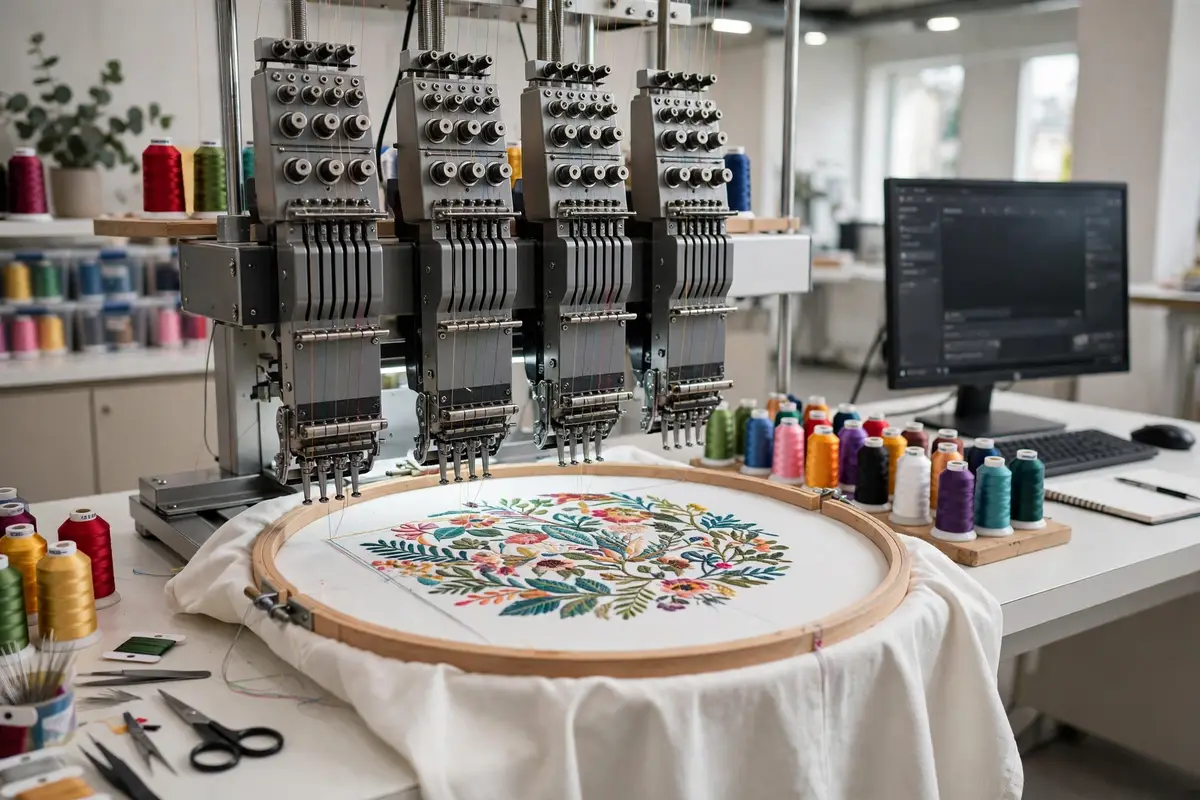
Special techniques add fair cost, too. 3D puff needs wider satin, tight caps on letter ends, and a path that covers the foam edges. Appliqué needs placement, tack-down, and finish stitches planned as separate steps, in the right order. Chenille, sequin work, and fashion patterns each bring their own planning. Turnaround matters as well. Standard delivery here is 24 hours; rush delivery in 4 to 8 hours moves your job ahead in the queue, and some studios charge extra for that. Ask what is included before you compare totals: a proof, your machine format, and revisions until the file runs clean are worth real money if you ever need them — and most buyers need a revision sooner or later, because fabric behaves differently in every shop.
Why the cheapest quote often costs more
A very cheap file usually comes from an auto-convert tool with little or no hand work. On screen it can look fine. At the machine the gaps show up: fills that pucker light fabric, letters that close up, outlines that drift off their fills, and jump stitches that waste time on every run. Each failed test costs fabric, stabilizer, thread, and machine time. A spoiled run of garments costs far more than the gap between a cheap quote and a fair one. This is not a scare story; it is simple math that every shop learns once. Pay for the plan once, sew it many times, and judge the price across the whole run — not across the invoice alone.
The other hidden cost is your own time. A studio that includes a proof and free revisions is selling you fewer surprises. A studio that sends one file with no proof and charges for every fix is selling you the same job in slices. When you compare two quotes, compare the full deal: price, delivery time, formats included, proof included, and revision terms. Write those five points down for each quote and the “expensive” one often turns out to be the complete one.
How to keep costs down without hurting quality
Start with clean artwork at the real size. A clear file saves the studio cleanup time, and cleanup time is part of any quote. Keep tiny text out of small designs; if a line of text will sew under about a quarter inch tall, move it to a larger placement or drop it, rather than paying to fight physics. Order the versions you know you need together — chest and cap versions of one logo share planning, which is why a cap version of an existing design costs only $5.50 here. Choose standard delivery when your schedule allows, and send complete details in the first message: size, fabric, placement, format, and deadline. Every round of questions a studio must ask is time your job spends waiting instead of sewing.
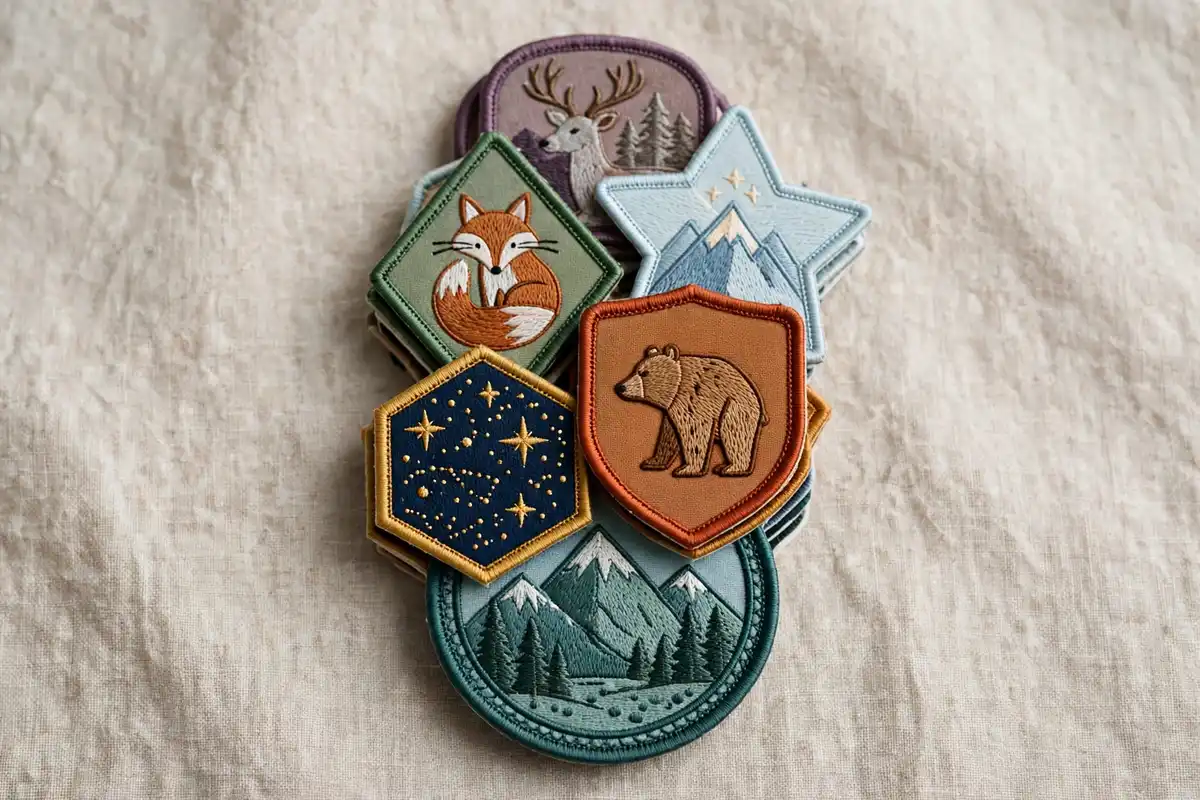
For fashion work, the same logic holds at a larger scale. A border priced per repeat, a motif set planned once and reused across a garment, and a neckline quoted as one design all cost less than the same elements ordered as scattered one-offs. Fashion wing work here starts from $14 per design, and a clear brief — garment, fabric, finished lengths, and where each element sits — keeps that quote exact instead of padded for unknowns.
A fair way to judge any quote
Before you accept a price from anyone, ask five questions. Is the price flat and final, or will it change with stitch count? Is a proof included before final delivery? Which formats are included? Are revisions included until the file runs clean on your machine? And what is the delivery time, with rush terms if you need them? A studio that answers all five plainly is a studio that knows its own process. Keep the answers, compare like with like, and the right choice usually picks itself.
Related services
Frequently asked questions
Why do digitizing prices vary so much?
Because the work behind the price varies. One studio builds the file by hand for your fabric and size, checks it, and includes revisions. Another runs the art through an auto-convert tool and sends whatever comes out. Size, detail, stitch count, and turnaround also change the price, so two quotes for the same logo can be far apart and both be honest numbers.
Is per-stitch or flat pricing better?
Flat pricing is easier to plan with, because you know the full cost before work starts and it does not rise if the design needs a denser fill. Per-stitch pricing can suit very small, simple designs, but the final bill depends on a stitch count you cannot check in advance. For repeat orders and budgets, most shops find flat rates simpler and safer.
What makes a design cost more to digitize?
Size, detail, and special techniques raise the price. A large jacket back takes longer to plan than a small chest logo. Fine detail, small lettering, and many color changes add work. Add-ons such as 3D puff and appliqué need extra steps and planning. Rush delivery can also cost more, because the job moves ahead in the studio queue.
How can I keep digitizing costs down?
Send clean artwork at the real size, keep tiny text out of small designs, and group repeat orders instead of sending one urgent job at a time. Choose standard delivery when you can, reuse a cap version of an existing design instead of starting over, and approve the proof carefully so rework stays low. Clear details in the first message save paid time later.
Get your exact price before you commit
Send your artwork on WhatsApp with size, fabric, and format. The quote is free, flat, and confirmed before any work starts.
Send Artwork on WhatsApp