Home › Fashion & Dress Embroidery Digitizing
Full dress designs digitized as matched, boutique-ready stitch files — necklines, borders, motifs and complete patterns planned for your fabric and your machine, not stretched logo files.
Most digitizing studios spend their days on left-chest logos and cap designs. Those files are small, flat and forgiving. A dress design is none of those things. It follows the curve of a neckline, runs the full width of a hem, repeats across light fabric that shows every pull, and has to look right when someone is wearing it and moving in it.
That is why we run a separate fashion wing. Every fashion file is planned around the garment it will live on. We ask about the fabric first, then the placement, then the size. Stitch density, underlay and pull compensation are set for lawn, chiffon, silk, cotton or organza, not copied from a logo preset. The result is a file that sews with less puckering, fewer thread breaks and edges that stay where your pattern says they should stay.
If you sell eastern wear — shalwar kameez sets, three-piece lawn suits, festive formals or bridals with light work — this wing was built for your kind of order. If you run a boutique outside Pakistan and serve customers who want that same look, you will find the process just as simple. Send a photo or artwork, tell us the fabric, and we handle the stitch planning.
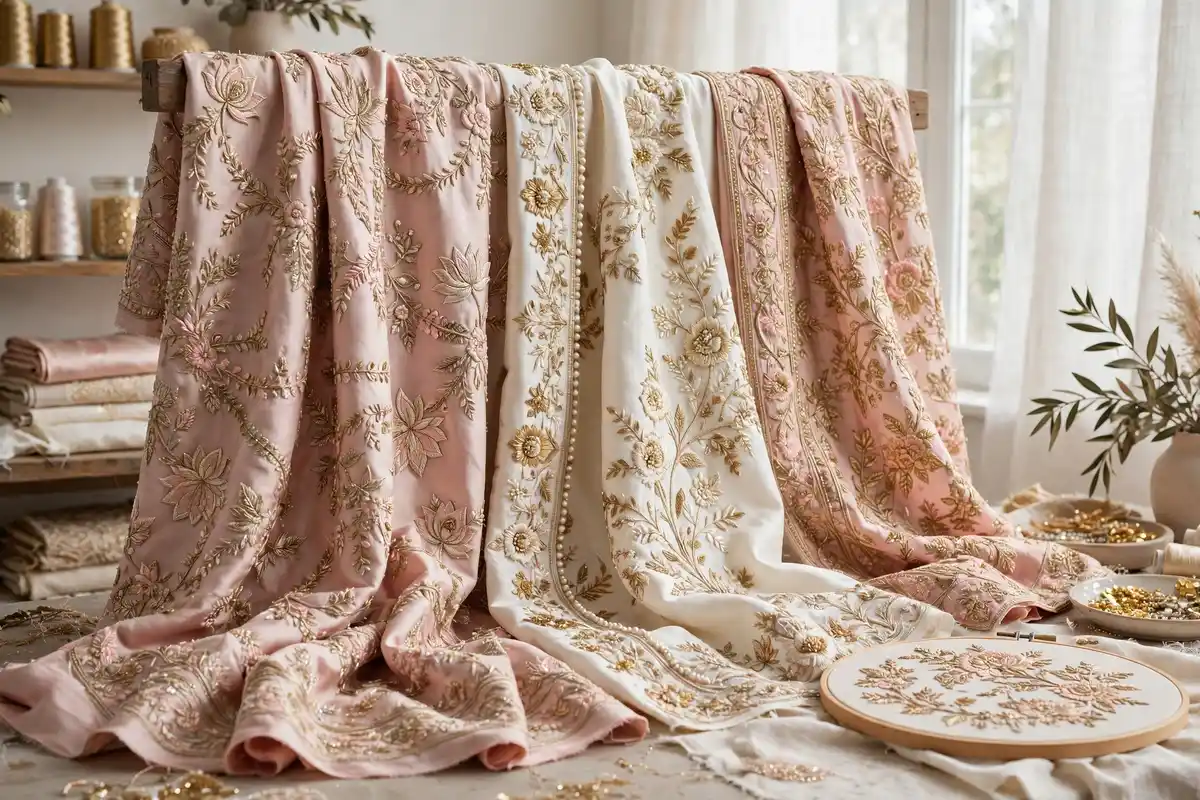
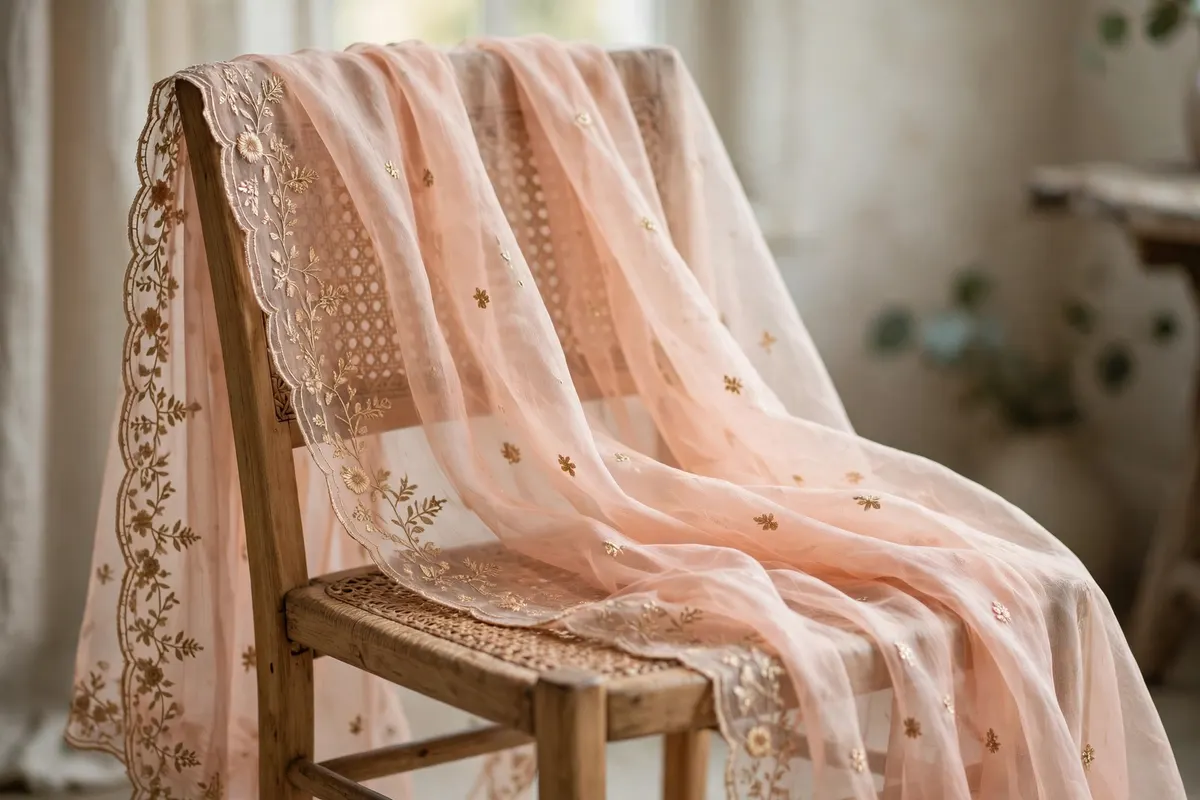
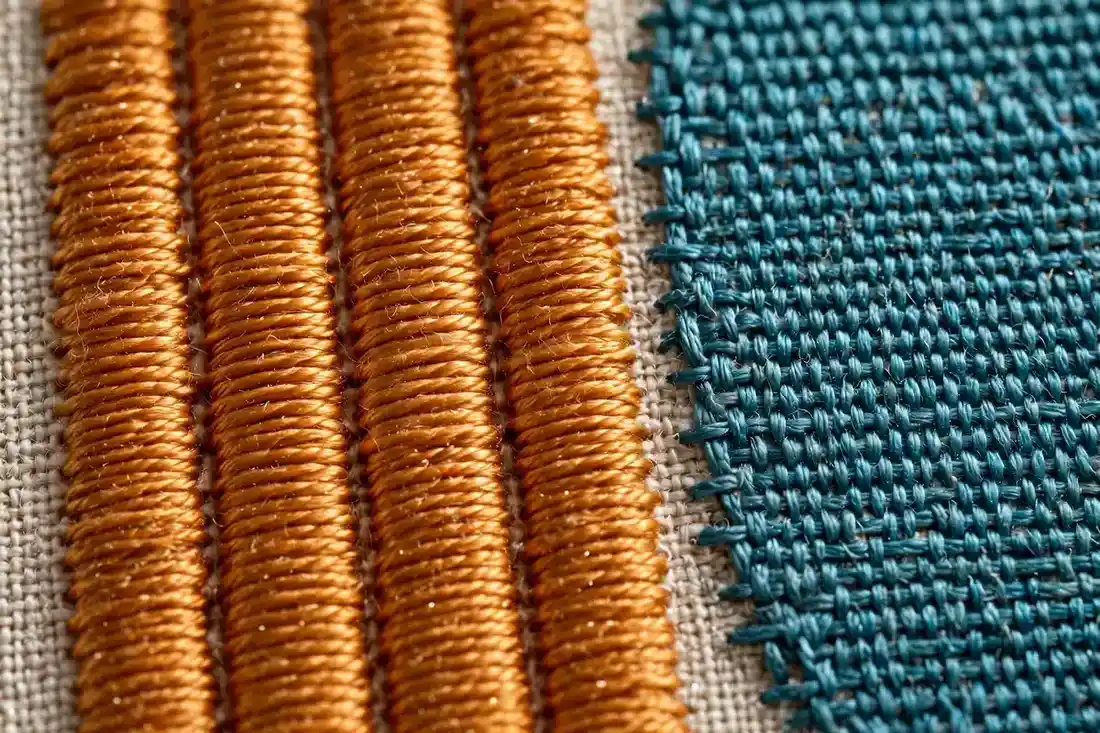
We use the trade words you already use, so nothing gets lost between your sketch and the finished file. The gala is the neckline — the embroidered shape that frames the neck and upper chest. The daman is the hem border — the wide decorated band along the bottom edge of the shirt front and back. A boota is a single small motif, often a flower or paisley shape, and a bunch is a grouped spray of flowers and leaves. The dupatta is the long scarf worn with the outfit, which often carries its own border and scattered motifs.
Using the right words matters because each part is digitized in a different way. A gala needs perfect left-to-right balance. A daman border needs repeats that join with no gap and no bump. A dupatta needs light density so sheer fabric does not tear or sag under the stitches. When you order, just name the parts in your own words. We will confirm sizes and placement back to you in plain English before we start.
Boutiques order single statement pieces and small festive drops. Lawn and fashion labels order full seasonal sets — front, back, sleeves, border and dupatta planned together so every size in the range matches. Diaspora ethnic-wear brands order designs that need to look authentic on fabrics sourced in a different country, often from a single reference photo sent by a customer or a family member.
You do not need finished vector artwork to start. Many orders begin as a phone photo of an older outfit, a screenshot from a catalogue, or a hand sketch with measurements written next to it. We rebuild the shapes cleanly, keep the parts that give the design its character, and simplify only the details that are too fine to hold in thread at the size you want. You see the confirmed price first, so a small test order stays a small test order.
Files are supplied in the format your machine reads, with a clear file name for each garment part. If your embroiderer works in a different format from your sample machine, tell us and we will supply both. That one detail saves a lot of back-and-forth during production week.

Send your artwork or reference photo on WhatsApp with the fabric, the finished sizes and your machine format. We reply with a confirmed quote — fashion work starts from $14 per design, and the final price depends on size and detail. Once you approve the quote, we digitize the set and send the files for your test stitch-out. Stitch a sample on your real fabric, tell us about any change you want, and we revise the file free until it runs clean. For the full step-by-step, see How It Works.
Pick the service that matches the part you need, or start with a full pattern set and let us plan the whole dress together.
Not sure which service fits your design? See Full Pricing
Fashion embroidery digitizing turns dress artwork into stitch files your machine can sew. Unlike a small logo, a fashion design covers large areas such as a neckline, hem border or full front panel. Each area is planned for the fabric, stitch direction and density so the finished dress looks smooth, balanced and clean, not stiff or puckered.
We digitize necklines called gala, hem borders called daman, sleeves, front and back panels, side slits and matching dupatta work. You can order one part on its own or a full matched set. Each part is sized to your pattern measurements, so the pieces line up correctly when the garment is cut, stitched and finished.
Yes. Most fashion orders come from boutiques, small labels and home-based brands that make short runs and seasonal collections. You do not need a large order. Send one design to start, approve the file on your own fabric, and then build the rest of the collection from the same clear process and pricing.
Yes. A clear photo or screenshot is a common starting point. Send a straight-on photo if you can, plus close-ups of the neckline and border detail. We rebuild the design as clean stitch shapes rather than copying pixels, so curves stay smooth and small details read well at the real sewing size.
Send your artwork or reference photo, the finished size for each part, the fabric type and the machine format you need. If you have pattern measurements or a size chart, send that too. We confirm the price before work starts and tell you if any detail needs to be simplified for a clean stitch-out.
Send your photo or artwork on WhatsApp and get a confirmed quote before any work starts. Fashion designs from $14, standard delivery in 24 hours.
Order on WhatsApp