Plush, raised letters and patches with the soft varsity look done right — sized for felt backing, planned for clean edges, and built for your chenille setup.
Chenille is not flat embroidery with thicker thread. The stitch loops up from the surface and gets cut or brushed into a soft pile, a bit like the texture of a caterpillar — which is where the name comes from. That raised pile is why a varsity letter looks and feels so different from a standard stitched letter, even when the shape is the same.
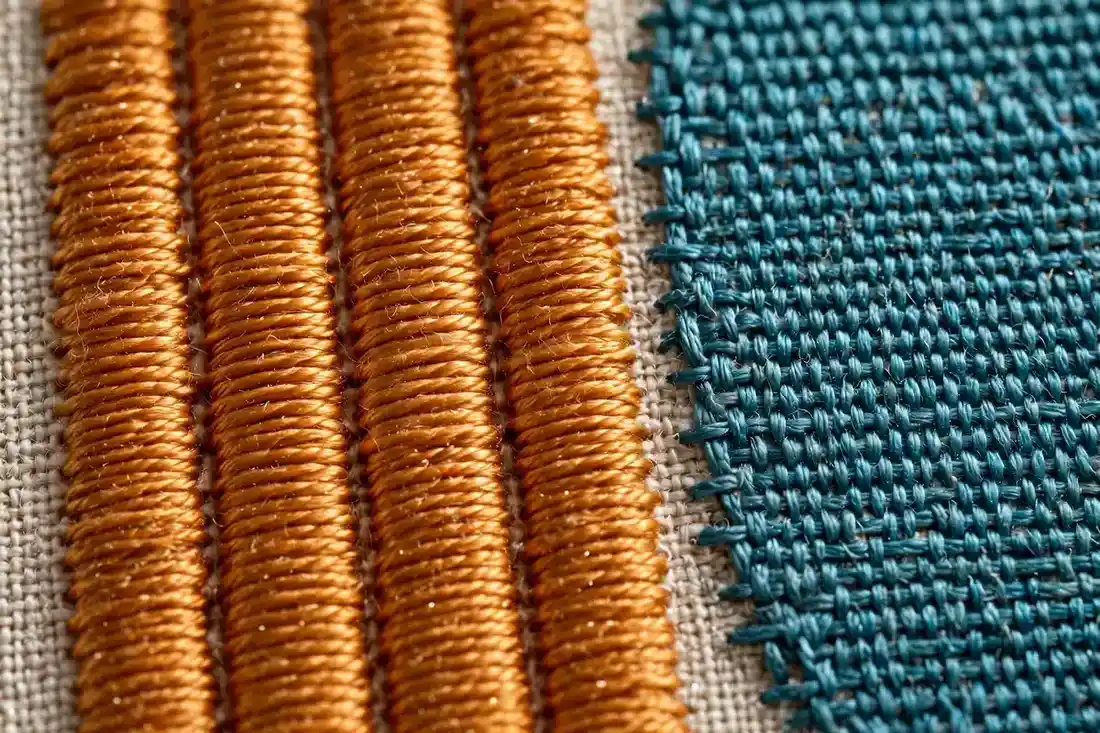
Because the texture is the whole point, the digitizing has to protect it. The stitch path must fill the shape evenly, without thin spots where the backing shows through and without packing so tight in corners that the pile crushes flat. Corners and points need special care: a sharp letter point that works fine in flat embroidery can turn blunt or messy in chenille if the path is not planned for it. Letter spacing also matters more than people expect. Letters set too close can crowd each other once the pile opens up, so we space chenille letters with the finished texture in mind, not just the outline on screen.
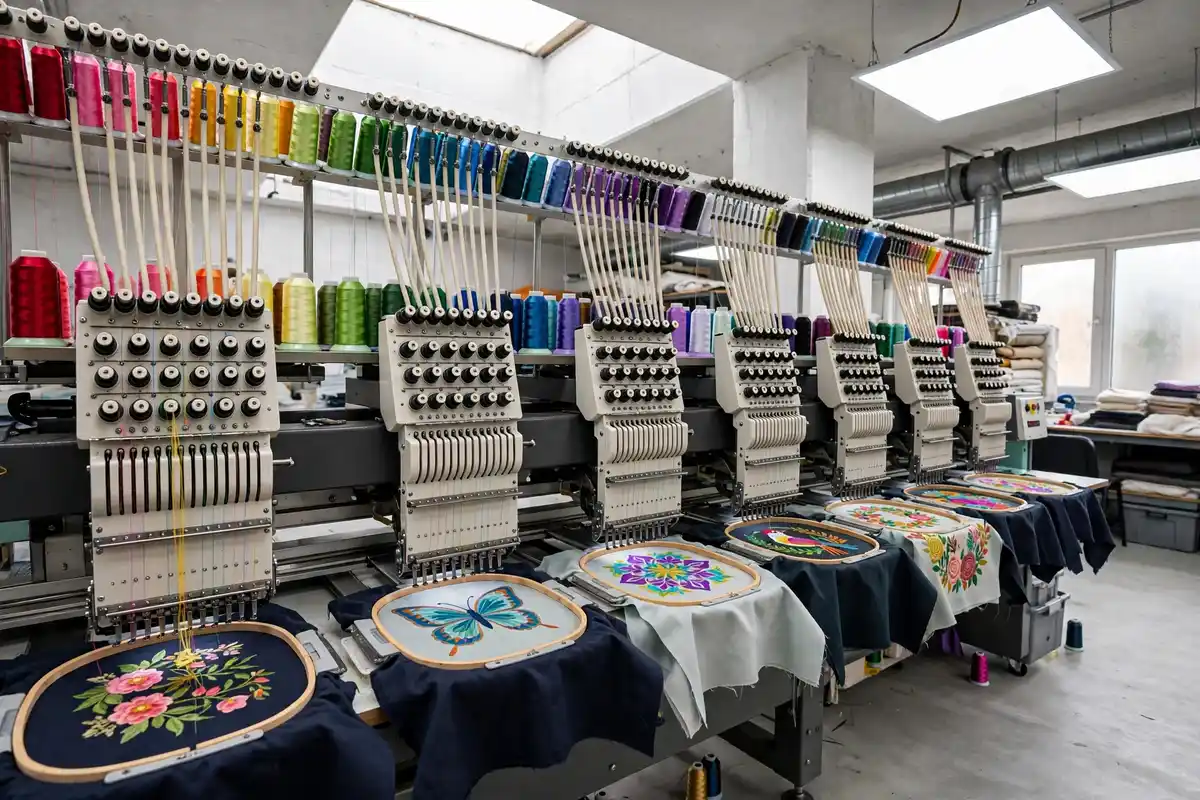
There is an honest limit to know before you order. True chenille needs a chenille machine or a chenille attachment. A regular embroidery machine forms stitches in a different way and cannot make real chenille pile. Some shops ask for a chenille-style file for a standard machine. That can give a textured look with specialty stitches, but it is not the same finish, and we will always tell you which one you are getting. Send us your machine details with your artwork, and we will match the file to what your setup can truly do.
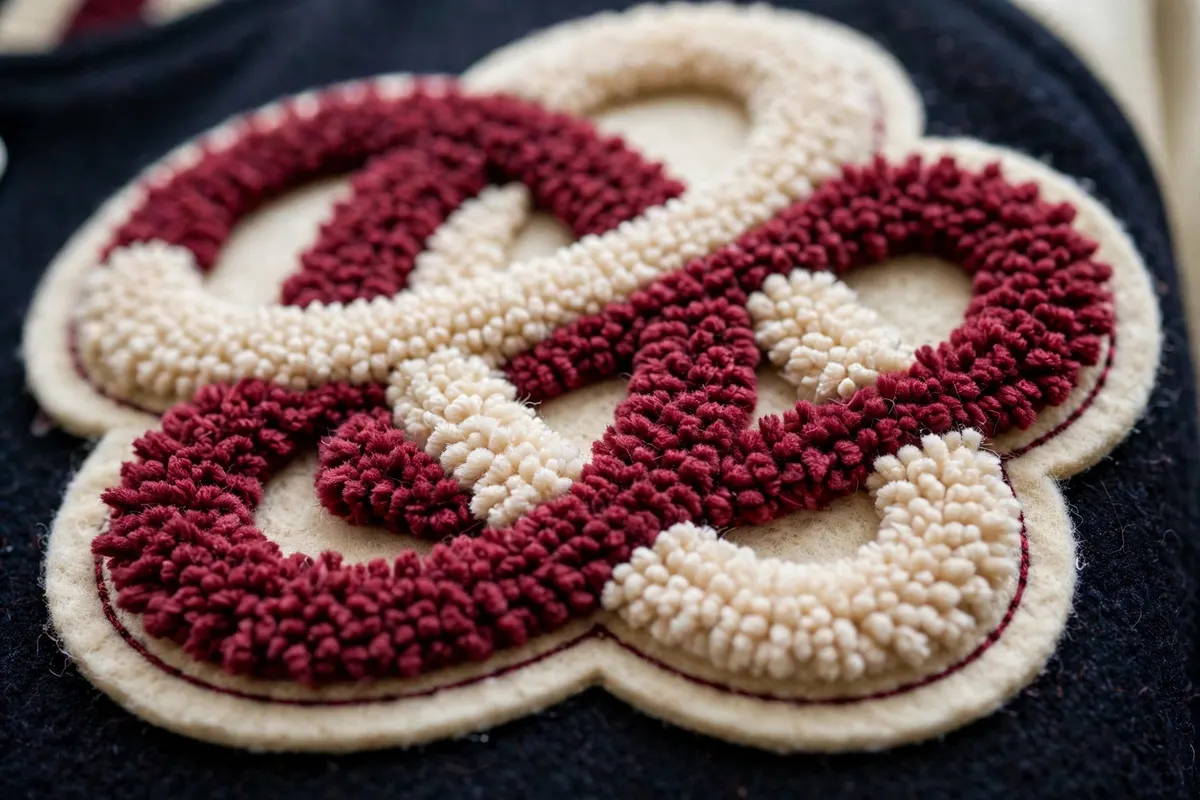
The classic chenille job is the varsity letter: one or two big initials on a letterman jacket, backed with felt and finished with a clean border. Chenille also works well for large school patches, team patches, and bold chest marks where the soft pile is part of the tradition. If your design has that kind of history behind it, chenille is usually the finish people expect when they see and touch the jacket.
Size is the first decision. Chenille needs space. Letters around 3 inches tall and up give the pile room to form and the shape room to stay crisp. Large letters, the kind that anchor a jacket front or back, show the texture at its best. As letters get smaller, the pile starts to fill in the gaps inside letters like A, R, and P, and fine points turn soft. That does not mean a smaller job is impossible, but it does mean the artwork often needs bolder strokes and wider gaps than the original drawing. We check that for you and will show you what needs to change before you pay.
People sometimes ask about 3D puff as a swap for chenille. Puff also gives a raised look, but it is smooth and firm, stitched over foam on a standard machine, while chenille is soft and fuzzy and needs chenille equipment. They suit different jobs: puff for caps and bold logos, chenille for varsity letters and felt patches. If you are unsure which finish you actually saw on a jacket you liked, send us a photo and we will identify it for you.
Most chenille work lives on felt. A common build uses two felt layers: a top layer that frames the chenille letter, and a larger bottom layer in a second color that forms a border around the whole patch. The look is simple when it is done well, but it only stays simple if the layers are digitized together. The felt cut shape, the chenille fill, and the border stitch all have to agree with each other.
We plan the full stack in one pass. The chenille area is sized so the pile covers its felt ground without spilling past the edge. The border stitch is placed to catch both felt layers firmly while sitting at a steady distance from the letter, so the frame looks even on every side. Where a name, year, or small detail sits on the felt as flat embroidery, we place it so it reads clearly against the felt and does not fight with the chenille pile next to it.
How the patch will be used changes the plan too. A patch sewn straight onto a jacket needs a different edge plan from a loose patch that will be finished and attached later. Tell us the garment, the felt colors you plan to use, and how the patch will be attached. If you do not cut your own felt and need the shapes spelled out, say so in your message and we will include clear size notes with your file so your cutter or supplier works from the same numbers we digitized to.

Bold is the rule for chenille. Thick letter strokes, simple shapes, and open space inside letters all help the pile form and the shape stay readable from across a room. Classic block and varsity letter styles are drawn for this finish, which is why they almost always convert well. Script letters can work too, as long as the strokes stay thick and the joins stay open at your chosen size.
Thin strokes are the main problem. A fine line that looks sharp in print turns into a sparse, weak row of pile that wears fast and reads poorly. Small text has the same issue, and tight detail inside a letter — a small star, a tiny ball, a thin inner line — often has to move into flat embroidery on top of the chenille or onto the felt border, where it can stay sharp. That mix is normal varsity practice, not a compromise, and it usually makes the finished jacket look better than forcing every part into chenille.
You do not need clean vector art to start. A clear photo of an existing letter or jacket, a scan, or even a school logo file is enough for us to judge the shapes and quote the job. If the artwork needs bolder strokes or wider gaps, we will explain the change in plain words before work starts. You approve the plan first. That step matters with chenille more than with flat work, because the texture hides nothing: a weak shape looks weak in pile, and fixing it after a stitch-out costs more time than fixing the plan up front.
Each chenille order is digitized by hand for your letters, your size, and your backing plan:
Pricing follows our standard digitizing rates: from $13 for small designs up to 4.5 inches, $23 for medium designs up to 8 inches, and $37 for large designs up to 12 inches. Your final quote is confirmed before work starts.
Start with the artwork and the finished size. Those two facts drive almost every chenille decision.
Message us on WhatsApp with your artwork or a photo, the finished size, and your felt colors.
Share your chenille machine or attachment details so we build the file in the right format and stitch style.
We confirm price and any artwork changes first. Then you stitch, and revisions are free until it runs clean.
See How It Works for the full order flow, or check pricing.
Chenille jobs often sit next to these services on the same jacket or patch order.
Chenille digitizing is used for bold letters and patches that need a soft, raised, fuzzy look. Varsity and letterman jackets are the most common use, along with school patches, team patches, and large chest letters. The stitch builds a plush texture that flat embroidery cannot copy. It suits big, simple shapes best and is not a good fit for small text or fine detail.
Chenille needs room to show its texture. Letters from about 3 inches tall upward work well, and large jacket letters look best of all. Below that size, the plush stitch crowds the shape and the letter loses its clean edge. If you need a smaller mark, regular embroidery or a chenille-style patch with embroidered detail is often the better call. Send your size for advice.
Yes. Most chenille letters and patches are built on felt, often with two felt layers in team or school colors. We digitize the chenille area, the felt shape, and the border stitch together so the layers line up and the edge finishes clean. Tell us your felt colors and whether the patch will be sewn on or finished another way, and we will plan for that.
Yes, and that mix is common on varsity work. The big letter is done in chenille for the plush look, while names, years, small icons, and outlines are added in regular flat embroidery for sharp detail. We plan both parts in one file plan so the sizes, colors, and stitch order work together instead of looking like two separate jobs pushed together.
True chenille needs a chenille machine or a machine with a chenille attachment, because the stitch is formed in a different way from flat embroidery. A standard embroidery machine cannot make real chenille texture, even with the right file. Tell us what machine you run. If you only have a standard machine, we will say so plainly and suggest the closest honest option.
Send your artwork, size, and machine details on WhatsApp for a free quote. Standard delivery is 24 hours, with rush in 4–8 hours on request.
Order Chenille Digitizing on WhatsApp